
4 Best Trail Running Shoes for Women in 2026
Choosing the right trail running shoes for women in 2026 involves balancing support, durability, and comfort, especially on uneven terrain or wet trails. While models like the ASICS Gel-Venture 10 or Saucony Excursion TR14 offer strong grip and waterproof features, some may still find them lacking in long-term cushioning or weight. Each shoe has unique advantages and trade-offs, raising questions about which design best suits different trails and running styles—details that could impact your overall performance and safety as you push your limits.
ASICS Women’s Gel-Venture 10 Running Shoes
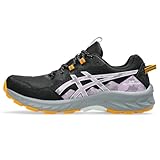
- Runs Small
- Mesh upper: Improves breathability
Last update on 2026-08-28 at 00:02 / Affiliate links / Images from Amazon Product Advertising API
Are you looking for trail running shoes that keep your feet dry and comfortable? The ASICS Women’s Gel-Venture 10 Running Shoes do just that. They have a waterproof upper that blocks water, so your feet don’t get wet in rain or muddy trails.
The shoes also feel soft and supportive. They use new AMPLIFOAM cushioning to give you more comfort and support with every step. Plus, they have GEL technology that soaks up shocks, making your run smoother and easier on your feet.
The outsole is made for both trail and road surfaces. It grips well and keeps you steady no matter where you run. These shoes offer a good mix of waterproof protection, soft support, and strong traction. That makes them a great choice for running on different terrains and in all kinds of weather.
Who they are for: Runners who need shoes that can handle wet trails and different terrains. They want cushioning that keeps their feet comfortable and a sole that grips well.
Pros:
- Water-resistant upper keeps your feet dry.
- New AMPLIFOAM cushioning gives added support and comfort.
- The outsole adapts to trails and roads, providing good grip and stability.
Cons:
- They might be a bit heavier than lighter running shoes, which can slow you down.
- The waterproof material might make them less breathable.
- They cost a little more than shoes without waterproof features.
If you run on muddy paths or in the rain, these shoes help you stay dry while giving you comfort and good grip. They are a reliable choice for outdoor runners in all weather.
Saucony Excursion TR14 Women’s
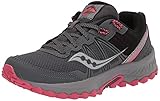
- Grippy lugs on the outsole are made with carbon rubber for rock-solid footings.
- A moderate stack VERSARUN cushioning packs plenty of underfoot comfort no matter the destination.
Last update on 2026-08-28 at 00:02 / Affiliate links / Images from Amazon Product Advertising API
If you want a trail shoe that costs less but still works well for outdoor adventures, check out the Saucony Excursion TR14 Women’s. It has VERSARUN cushioning that helps absorb shock and makes walking or running on rough trails more comfortable. The shoe’s outsole has 6mm lugs that give you good grip on uneven, rocky ground, so you won’t slip easily. The upper part is made with tough mesh and overlays, which lock your foot in place and keep dirt and debris out. The shoe is lightweight, weighing just 8.8 ounces, and comes in sizes 5 to 12. It’s a great choice for those who want a simple, reliable trail shoe for moderate trails.
Keep in mind, this shoe doesn’t have all the features found in high-end trail shoes. It may not be the best for very tough or technical trails or for running long distances. Still, it offers good comfort, solid traction, and protection at a fair price.
Good for: Budget hikers or runners who want a lightweight, dependable shoe for moderate outdoor trails.
Pros:
- Soft VERSARUN cushioning helps absorb shocks.
- Strong 6mm lugs give good grip on rugged ground.
- Supportive overlays and protective mesh keep your feet secure and safe.
Cons:
- It doesn’t have extra features for very difficult trails.
- Might not be the best for very long runs.
- Sizes are only from 5 to 12, so it may not fit everyone.
New Balance Women’s 410v8 Trail Running Shoes

- AT Tread outsole provides versatile traction during both on and off-road activities
- Synthetic upper
Last update on 2026-06-09 at 18:36 / Affiliate links / Images from Amazon Product Advertising API
The New Balance Women’s 410v8 Trail Running Shoes are a good choice for women who want reliable shoes on many types of trails. The outsole, called AT Tread, helps you grip the ground well on both paved roads and dirt paths. This makes them great for different kinds of runs. The midsole is made of soft BIO Foam. It gives you cushioning so your feet stay comfortable, even on long runs. The shoe’s upper part is made with durable overlays and breathable mesh. This keeps your feet cool and lets air flow inside.
These shoes work well for traction and comfort. But, they might be less stable on very rough or technical trails. They also don’t give extra ankle support, which some trail runners need. Plus, they are more focused on comfort than speed, so they might not be best if you want to run very fast. Overall, these shoes are dependable for many outdoor adventures.
Best for: women who want shoes that are reliable and can handle different trail surfaces.
Pros:
- Good grip on different types of ground
- Soft cushion for comfort
- Breathable and long-lasting upper material
Cons:
- Less stable on very tough trails
- No extra ankle support
- Not ideal for speed-running because they focus on comfort
ASICS Women’s Gel-Venture 10 Running Shoes

- Runs Small
- Mesh upper: Improves breathability
Last update on 2026-08-28 at 00:10 / Affiliate links / Images from Amazon Product Advertising API
Looking for a trail running shoe that can handle wet conditions? The ASICS Women’s Gel-Venture 10 is a good choice. It has a waterproof upper that keeps your feet dry when the trail gets muddy or rainy. The shoe also has a new midsole with AMPLIFOAM cushioning. This makes your run softer and more comfortable, especially on long distances. The GEL technology inside the shoe adds extra comfort and shock absorption. The outsole is designed to grip well on both roads and trails. It works well on different surfaces and helps prevent slips. Keep in mind, the shoe might be a little heavier than some lightweight options. It could also take some time to break in for the best comfort. Plus, the waterproof material might make it less breathable. Overall, this shoe is a solid pick for muddy, wet trails. It gives you waterproof protection, good cushioning, and strong grip.
Factors to Consider When Choosing Trail Running Shoes for Women
When selecting trail running shoes for women, you need to take into account factors like traction and grip, which help prevent slipping on uneven surfaces, but sometimes they can be too aggressive for easier trails. Cushioning and support are essential for comfort and injury prevention, though overly cushioned shoes might reduce stability during faster runs. Additionally, waterproof features and proper fit ensure your shoes hold up in wet conditions and feel comfortable, yet they might add weight or compromise breathability, so balancing these factors is key.
Traction and Grip
Choosing trail running shoes with good grip is very important. You want shoes that don’t slip on muddy, rocky, or loose ground. Look for shoes with deep, multi-directional lugs. These are bumps on the sole that help grip the ground from different angles. They dig into tricky surfaces and give you confidence on uneven trails.
The material of the outsole also matters. Rubber soles with textured patterns usually work better in wet conditions. They help prevent slipping. A wider outsole makes your shoes more stable and helps you keep your balance, especially when the trail changes suddenly.
Shoes with treads that can shed mud and dirt keep the grip clear. This helps the shoes stay grippy even after lots of use. It’s also good to choose shoes that have good traction on many surfaces, like rocks, dirt, and gravel.
Always pick shoes that fit well around your foot. No matter how good the grip is, if the shoes don’t fit right, they won’t keep you safe. Make sure your shoes feel secure and comfortable for your trail runs.
Cushioning and Support
Cushioning and support are really important for trail running. They help your feet feel comfortable and safe, especially on rough, uneven ground. Padding absorbs the shocks when your feet hit the ground, which protects your joints and helps prevent tiredness or injuries. Support features like overlays or thicker midsoles help keep your feet in the right position. This reduces the chance of twisting your ankles and makes balancing easier on tricky paths.
The amount of cushioning you need depends on your weight and how you run. If the shoes are too soft, your feet might slide around and you won’t have much control. If they are too firm, they might not absorb enough shock. Find the right balance so you feel comfortable and stable. Good support also helps you stay steadier and prevents you from getting tired faster, especially during long runs. When cushioning and support work together, your feet stay safe, comfortable, and well-aligned. That makes trail running safer and more fun.
Waterproof Features
Waterproof trail running shoes can help keep your feet dry when it rains, or if you run through mud or snow. They use special materials like Gore-Tex or waterproof membranes. These materials act as a barrier and stop water from getting inside. Sealed seams also help keep water out. Because of this, waterproof shoes work well in many outdoor conditions.
But waterproof shoes have some downsides. They don’t let air come in easily. This means your feet can get sweaty if you run hard or for a long time. So, you need to decide what matters more to you: staying dry or having good air flow.
Fit and Comfort
Wearing the right trail running shoe makes a big difference. A shoe that fits well feels comfortable and keeps your foot supported on bumpy paths. When trying on shoes, leave about the width of your thumb between your toes and the shoe’s end. This keeps your toes from getting pinched and prevents blisters. Shoes with extra room in the toe area give your toes space to move, especially on long runs when your feet might swell. Cushioned insoles and padded collars can help cut down on pressure points. They also add support, making hikes over rocky ground easier.
It’s important that your shoes fit snugly. Shoes that slide at the heel or midfoot can cause blisters or make you unsteady. Adjustable laces or shoes with special fit features let you customize the fit to your foot. This ensures your shoes stay comfortable and secure with every step you take.
Weight and Flexibility
Choosing trail running shoes can be easy when you focus on weight and flexibility. Shoes that are light help you run longer without getting tired. When shoes are lighter, you can go farther with less effort. Flexibility is also important. Shoes that bend easily move naturally with your foot. This makes you more agile and helps prevent hurting your feet or ankles. Shoes that are too heavy or stiff can feel uncomfortable and make running harder. They may slow you down, especially on tricky or uneven paths. The best shoes match your experience and the trail you run on. Look for shoes that give enough support but still let your feet move freely. When your shoes are balanced, you can run smoothly and stay strong on different types of ground.
Durability and Materials
When you pick trail running shoes, durability and the materials matter a lot. Shoes with reinforced overlays and tough fabrics like strong leather or synthetic materials can handle rocks, roots, and dirt better. The outsoles, made from rubber, make the shoes tougher and help them last longer. The upper part of the shoe, usually made of mesh or textile, needs to be strong but still let air in. This prevents tears and damage from rough trail stuff. Protective features like rock plates or toe caps give extra protection from hazards. This makes the shoes last longer.
Choosing shoes built to last means you get good performance all the time. But keep in mind, shoes with lots of reinforcement might feel stiffer and less flexible. This can make them less comfy on long runs.
Terrain Suitability
Have you ever noticed how trail shoes feel different depending on where you run? The type of sole really matters. Shoes with big, deep lugs work best on rough, uneven trails. They grip the ground better and keep you steady. Shoes with smoother soles are better for easier paths.
The depth of the tread and the kind of rubber on the sole affect how well you can grip the ground. Mud, gravel, and rocks all need different shoes to keep you safe. Cushioned shoes help absorb shocks. They are helpful on bumpy or steep trails.
The support and stability of your shoes should match the trail. Difficult, uneven trails need shoes with strong lugs and good ankle support.
Choosing the right shoes for the terrain makes running safer and more fun. Learning the differences will help you pick the best shoes for each run.
Breathability and Ventilation
Good breathability in trail running shoes helps keep your feet comfortable and dry. Shoes with mesh uppers let air flow around your feet. This keeps moisture low, so you’re less likely to get blisters or fungi. Some shoes have small holes or cutouts that let even more air in. These add extra ventilation without making the shoes less supportive. Breathable shoes also dry faster after water crossings or sweating. This makes your feet feel better during the run. Better airflow is especially helpful in hot, humid weather. It stops your feet from overheating and feeling tired.
But, keep in mind, shoes that let in more air may offer less protection from dirt or water. So, pick shoes that balance good breathability with durability for your trail trips. This way, your feet stay comfortable and protected, no matter the trail.
Frequently Asked Questions
How Do Trail Shoes Differ From Road Running Shoes?
Trail shoes differ from road running shoes by offering enhanced grip with rugged soles, increased durability against rough terrains, and supportive features like stability plates and water resistance, helping you navigate diverse surfaces confidently and comfortably.
Can Certain Shoes Improve Trail Running Performance?
Yes, certain shoes can improve your trail running performance by providing better grip, support, and cushioning. Choosing shoes with suitable traction, stability features, and a comfortable fit helps you run efficiently and reduces injury risk on rugged terrains.
Are Waterproof Trail Shoes Suitable for All Trail Types?
Waterproof trail shoes are great for wet conditions, but they might not suit all trail types, especially for technical terrain where breathability and agility matter most. Choose shoes based on specific trail conditions you frequently encounter.
What Are the Best Brands for Women’s Trail Running Shoes?
You should consider brands like Salomon, Brooks, Saucony, Hoka One One, and Altra. They offer high-quality, durable trail running shoes designed for women’s comfort, support, and performance across various terrains, making them top choices.
How Often Should Trail Running Shoes Be Replaced?
You should replace your trail running shoes every 300 to 500 miles, or when you notice significant wear or loss of cushioning. Doing so helps prevent injuries and guarantees peak performance on uneven terrains.